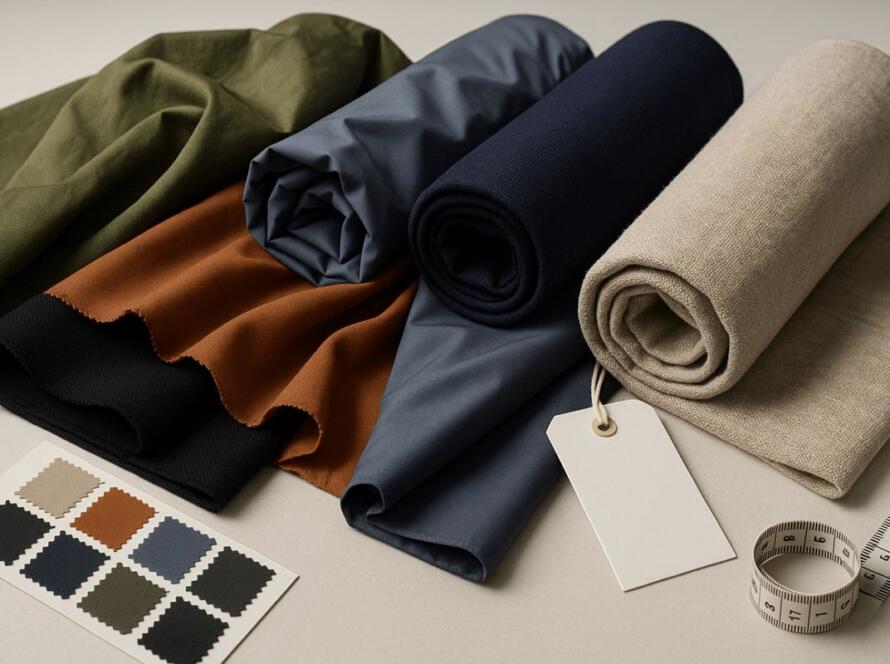
Choosing upholstery fabric is about more than finding a colour you like. The right fabric needs to suit the furniture, the environment, how often it will be used and the overall look you want to achieve.
A beautiful fabric can completely transform a sofa, chair, headboard or other upholstered piece, but the best choice is one that looks good and performs well for its intended purpose.
Start With How the Furniture Will Be Used
Before looking at colours and patterns, consider how the furniture will actually be used.
A sofa in a busy family living room will experience considerably more daily wear than an occasional chair in a formal room. Commercial furniture, hospitality spaces and other high-traffic environments may require fabrics with even greater durability.
Think about factors such as how frequently the furniture will be used, whether children or pets will be around, exposure to sunlight and how important easy maintenance is.
The intended use should guide the fabric selection from the beginning.
Consider Durability
Durability is one of the most important technical considerations when choosing upholstery fabric.
One specification you may encounter is the Martindale rub count, which measures a fabric’s resistance to abrasion. The appropriate level depends on the application, so a fabric suitable for occasional furniture may not be the best choice for a heavily used sofa or commercial seating.
It is important to remember that rub count is only one part of fabric performance. It does not, by itself, tell you how a fabric will perform against stains, fading, pilling or other factors.
For a project where durability is important, ask for the fabric’s technical specifications and make sure they suit the intended application.
Think About the Fabric Composition
Different fibres bring different characteristics to an upholstery fabric.
Natural fibres can offer distinctive textures and a beautiful, natural appearance, while synthetic fibres such as polyester can provide durability, colour retention and easier maintenance. Blended fabrics can combine characteristics from different fibres to achieve a particular balance of comfort, appearance and performance.
There is no single fibre that is automatically the best choice for every project. The important question is whether the composition is appropriate for how the furniture will be used.
Choose Texture With the Furniture in Mind
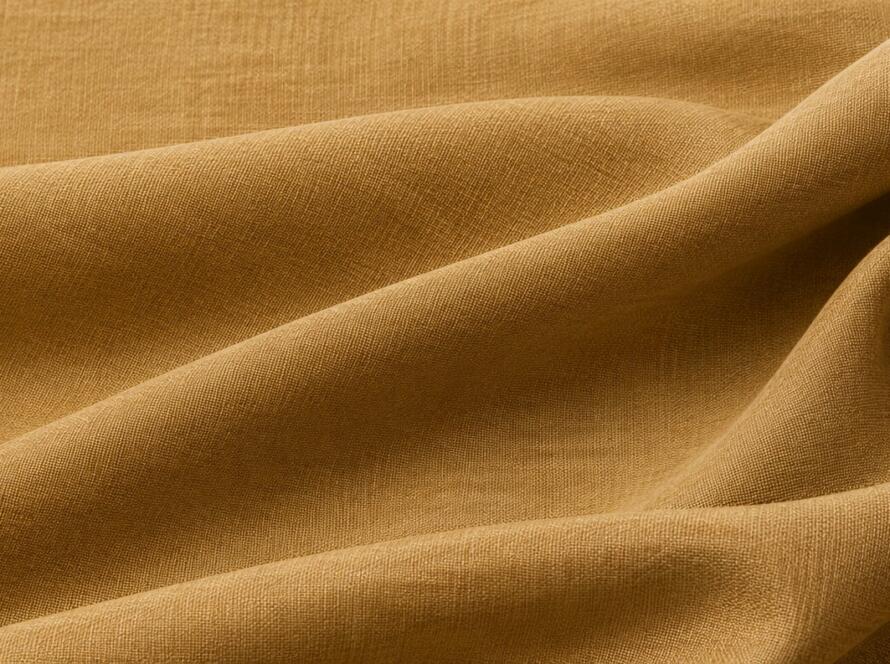
Texture can dramatically change the appearance of upholstered furniture.
A smooth fabric can give a piece a clean and contemporary appearance, while chenille, textured weaves and other tactile materials can add depth and visual interest.
Texture can also influence how everyday wear is perceived. Some textured or multi-toned fabrics can be more forgiving of minor marks and everyday changes in appearance than very smooth, uniform fabrics.
Consider the shape of the furniture as well. A fabric with a strong texture can emphasise curves and details, while a more understated weave can allow the furniture’s silhouette to take centre stage.
Choose Colour Carefully
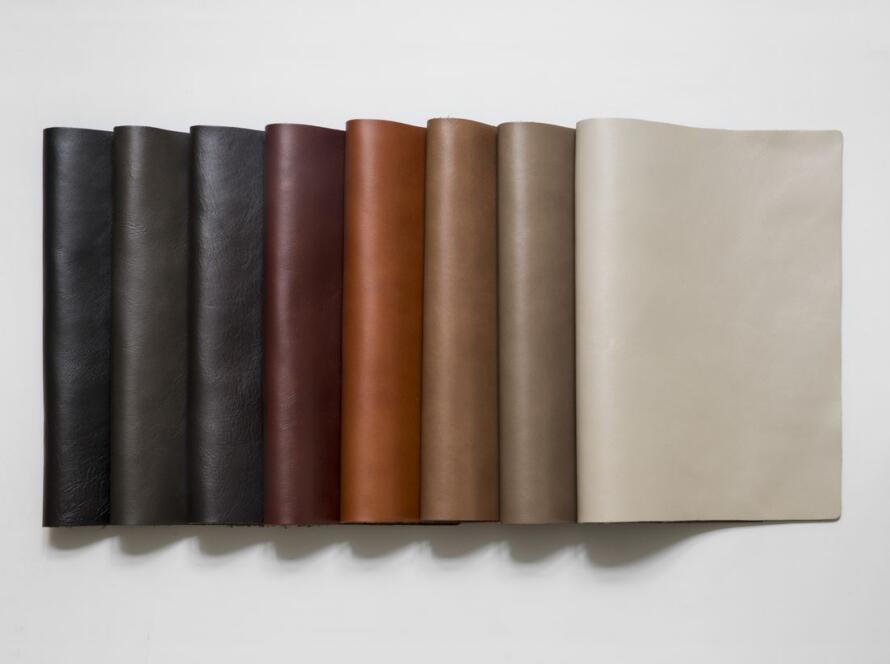
Colour is usually one of the first things people consider, but it should not be the only consideration.
A fabric colour can look very different depending on the size of the furniture, the amount of natural light in the room and the surrounding colours and materials.
A small fabric swatch may also give a different impression from the same fabric covering an entire sofa or chair.
When possible, view your fabric samples in the environment where they will be used and consider them under both natural and artificial lighting.
Don’t Forget Pattern
Patterns can add personality and make a piece of furniture a focal point.
However, the scale of the pattern should be considered in relation to the size and shape of the furniture. A small-scale pattern can work beautifully across a variety of pieces, while a larger pattern may need more careful planning to ensure that the design is positioned correctly across cushions, seams and other sections.
For patterned fabrics, ask about pattern repeat and matching requirements before ordering. This can affect the amount of fabric required for the project.
Think About Maintenance
Everyday life should play a role in your fabric decision.
If the furniture is likely to experience frequent spills, heavy use or exposure to children and pets, look for a fabric that offers the level of cleanability and performance appropriate for that environment.
Different fabrics have different care requirements, so never assume that one cleaning method is suitable for every material. Always check the manufacturer’s care instructions for the specific fabric.
Consider Light Exposure
Sunlight can affect certain fabrics over time, particularly when furniture is positioned close to large windows or in areas receiving strong direct sunlight.
If your furniture will be exposed to significant sunlight, ask about the fabric’s lightfastness and whether it is suitable for the intended location.
This is particularly important when choosing fabrics for large pieces that cannot easily be moved away from a window.
Always Consider the Furniture Itself
The same fabric can behave differently depending on the furniture it is being applied to.
A sofa, dining chair, headboard, ottoman and occasional chair all have different requirements. Curved furniture may require a fabric that handles shaping well, while a large sofa may require careful consideration of durability, pattern repeat and fabric width.
The upholstery application should therefore be considered alongside the fabric itself.
Ask for the Technical Details
A fabric sample tells you a lot about colour, texture and appearance, but technical information can tell you much more about how the material is designed to perform.
Where available, ask about:
- Fibre composition
- Martindale rub count
- Lightfastness
- Cleaning and care requirements
- Fabric width
- Pattern repeat
- Suitable applications
- Any special performance characteristics
Having this information makes it easier to compare fabrics based on the requirements of your project rather than choosing purely on appearance.
The Right Fabric Is the One That Fits Your Project
There is no single upholstery fabric that is perfect for every piece of furniture.
The best choice is the fabric that brings together the right appearance, texture, durability, maintenance requirements and performance for the specific application.
At Sullies Fabrics, we understand that choosing upholstery fabric is an important part of any furniture or interior project. Our range allows you to explore different colours, textures and fabric options for a variety of upholstery applications.
Looking for the right fabric for your next project?
Contact Sullies Fabrics on 011 830 2834 to discuss your requirements and find a fabric suited to your application.